
Salicylic Acid in Cosmetics: A Comprehensive Guide
| Salicylic acidworks its magic primarily through exfoliation. By dissolving the bonds that hold dead skin cells together, a process known as keratolysis, it effectively sloughs off the outermost layer of dull, dead skin. A study published in the Journal of Cosmetic Dermatology (Alexiades - Armenakas et al., 2008) revealed that topical application of Salicylic Acid significantly enhanced skin cell turnover, resulting in improved skin texture and a reduction in the appearance of aging signs. | 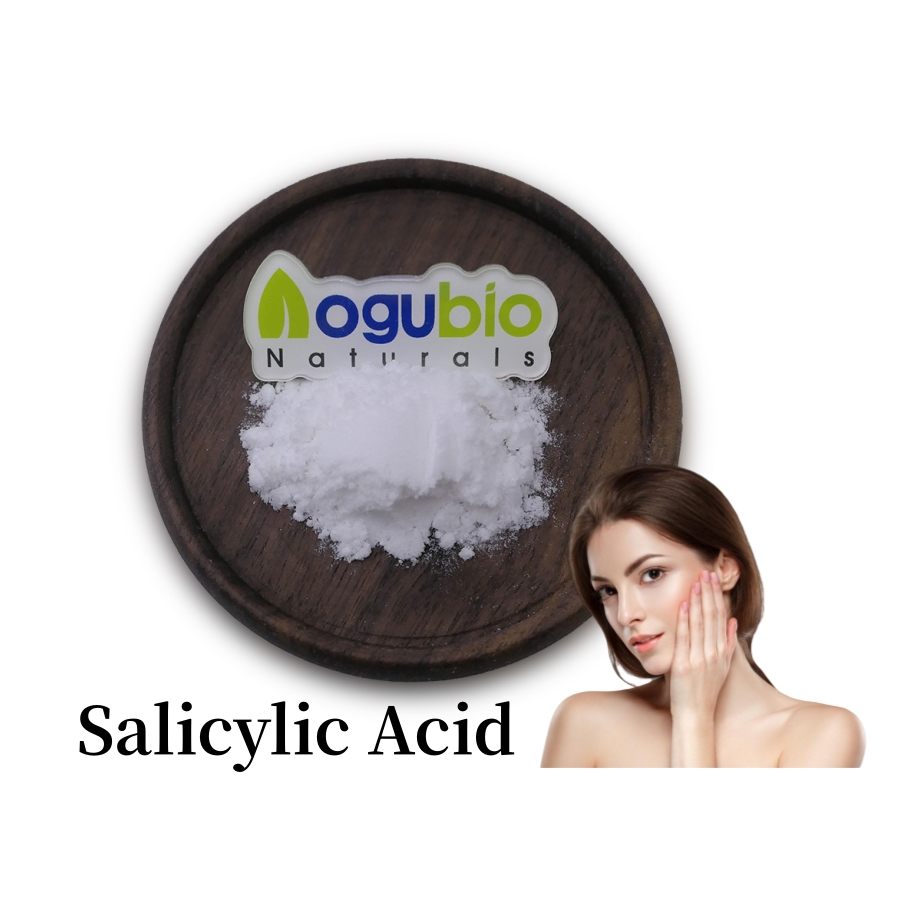 |
When it comes to Acne Treatment, salicylic acid's antibacterial and anti - inflammatory capabilities are truly remarkable. A 12 - week clinical trial documented in the British Journal of Dermatology (Thiboutot et al., 2007) demonstrated that a 2% salicylic acid gel outperformed a placebo in reducing acne lesions. For those with oily skin, it acts as a regulator of sebum production, preventing pores from becoming clogged (Kligman & Mills, 1972). Moreover, its anti - inflammatory nature provides soothing relief to irritated skin, making it suitable for various skin conditions (Leyden, 2014).
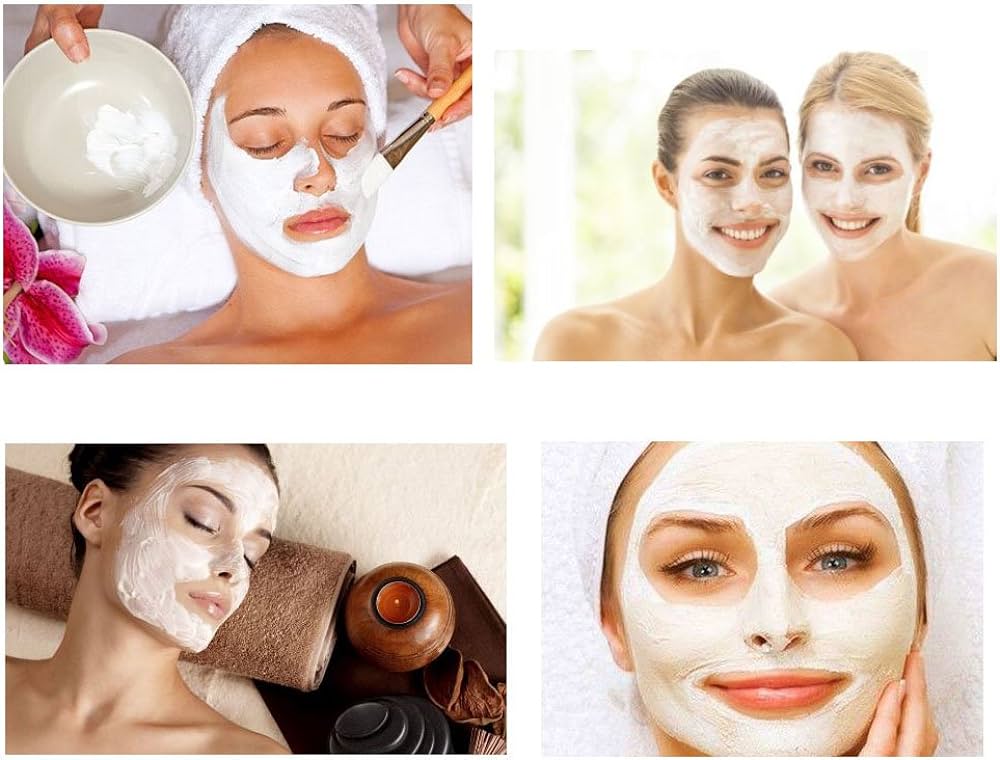
Salicylic acid can be found in a wide array of cosmetic products. Over - the - counter items generally contain 0.5% - 2% of salicylic acid, ideal for daily use, while professional treatments may incorporate concentrations of up to 30%. Cleansers with 0.5% - 2% salicylic acid are excellent for combating acne, toners with 1% - 2% offer additional exfoliation, and serums with 2% - 5% target specific skin concerns. Even moisturizers containing 0.5% - 1% salicylic acid hydrate the skin while controlling oil, and masks with 3% - 10% provide deep cleansing.
Frequently Asked Questions about Salicylic Acid
Q1:Can salicylic acid be used on sensitive skin?
Salicylic acid can be used on sensitive skin, but it's crucial to start with a low concentration product and perform a patch test first. Its anti - inflammatory properties can actually soothe some types of skin irritation, but higher concentrations or improper use may cause dryness or redness.
Q2:How often should I use products with salicylic acid?
For daily products like cleansers and moisturizers with low concentrations (0.5% - 2%), they can be used once or twice a day. For more concentrated products such as masks or serums, start with 1 - 2 times a week and adjust based on your skin's response.
Q3:Does salicylic acid interact with other skincare ingredients?
Salicylic acid should be used with caution when combined with other potentially irritating ingredients like retinoids, alpha - hydroxy acids (AHAs), or benzoyl peroxide. Combining them may increase the risk of skin irritation, so it's best to space out their application or consult a dermatologist.
The Market Outlook of Salicylic Acid in Cosmetics
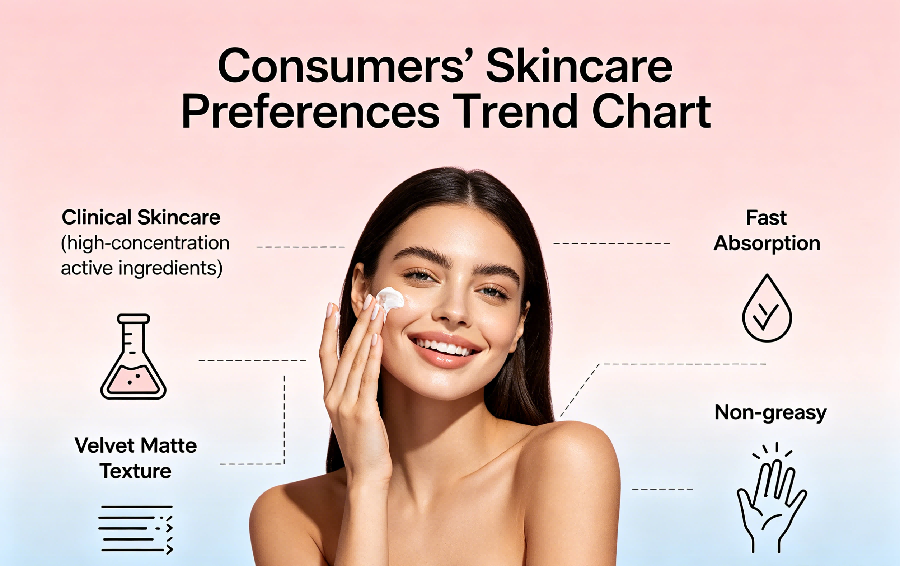
The future of salicylic acid in the cosmetics market appears highly promising. As consumers increasingly prioritize natural and effective ingredients (Research and Markets, 2024), the demand for salicylic acid - based products is on the rise. Current research efforts are focused on developing innovative delivery systems for salicylic acid, aiming to enhance its efficacy while minimizing potential irritation. Additionally, exploring combinations of salicylic acid with other ingredients is expected to lead to the creation of more targeted and powerful skincare formulations, ensuring that salicylic acid remains a top choice in the ever - evolving world of cosmetics.
In conclusion, salicylic acid is an ingredient that offers a multitude of benefits for the skin. By understanding its properties, proper usage, and market trends, consumers can make informed decisions to incorporate salicylic acid into their skincare routines and achieve healthier, more radiant skin.
References
- Alexiades - Armenakas, M. R., Dover, J. S., & Arndt, K. A. (2008). The efficacy of salicylic acid chemical peels in the treatment of photoaging: a pilot study. Journal of Cosmetic Dermatology, 7(2), 107 - 114.
- Kligman, A. M., & Mills, O. H. (1972). Topical salicylic acid: a keratolytic action based on dissolution of intercellular cement. Archives of Dermatology, 106(5), 674 - 677.
- Leyden, J. J. (2014). The anti - inflammatory properties of salicylic acid in the treatment of acne. Journal of Drugs in Dermatology, 13(Suppl 9), s4 - s8.
- Thiboutot, D., Gollnick, H., Bettoli, V., Del Marmol, V., Drake, L., Jarratt, M.,... & Webster, G. F. (2007). New insights into the management of acne: an update from the Global Alliance to Improve Outcomes in Acne Group. Journal of the American Academy of Dermatology, 56(6), 929 - 946.
- Research and Markets. (2024). Global Salicylic Acid Market - Growth, Trends, COVID - 19 Impact, and Forecasts (2024 - 2029). Retrieved from [website URL if available]
- Draelos, Z. D. (2012). Salicylic acid: a multifunctional therapeutic. Journal of Cosmetic Dermatology, 11(2), 110 - 114.